March, 30

Spying: Hiding in Plain Sight

Spycraft has always excited people, with stories of daring agents using high-tech wizardry to bust terrorists in the act.


But the reality is much less glamorous—and much more dangerous.


As spying entered the 1960s, technology started to play a serious role in getting intel.

March, 08

Dark money: How to reform Australia’s political donations system

Listen to Kate Griffiths, fellow for the Budget Policy and Institutional Reform program, in discussion with host Kat Clay, on how to reform Australia’s political donations system.

October, 02

Russia’s Campaign in Africa

Maseh Zarif talks with his ISW colleagues Nataliya Bugayova and Darina Regio about what Russia is up to in Africa.


They discuss Russia’s coordinated campaign to gain economic and political influence, and its attempt to create opportunities for expanding its military presence on the continent.


Nataliya and Darina also put this campaign in the context of U.S. interests, identifying why the United States should be concerned and what to look for in the coming months.

March, 24

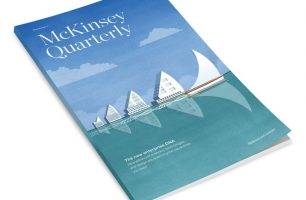
The new enterprise DNA

Looks at how data, technologies, and design are changing the makeup of today’s companies;


why it’s essential to have a bold, agile digital strategy;


and how to help your employees find more meaning in their work.

Share
December, 25

Afraid of Trade?

The Remnant with Jonah Goldberg


As The Remnant enters double digits, Jonah journeys into the international marketplace, with Cato Institute trade scholar and trade lawyer Scott Lincicome as his guide. Jonah and Scott defend free trade, and try to answer its critics.

Share
December, 07

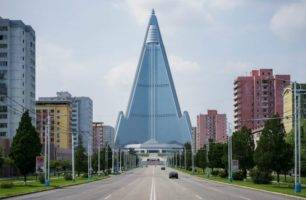
The North Korean Nuclear Threat: The View From Beijing

> Carnegie Endowment for International Peace


This episode of DiploPod features a conversation with the director of the Carnegie–Tsinghua Center, focuses on President Trump’s trip to Asia and the view from Beijing of the North Korean nuclear threat.


What could be a red line for the Chinese government in light of North Korean nuclear actions?


The discussion seeks to address the following: when it comes to foreign policy towards North Korea, are United States and China aligned and how is the approach of the current North Korean leadership different from the previous?

Share
Charger + d'articles